

By Marco Volpe, Warehouse Supervisor | October 7, 2026
Regular commercial boiler cleaning helps commercial and industrial facilities maintain safe, efficient, and reliable operation. Soot, scale, and sludge can interfere with heat transfer and contribute to equipment problems. Professional cleaning, combined with inspections and performance testing, helps facilities teams identify concerns before they lead to unplanned downtime.
A comprehensive service addresses the boiler’s fireside, where combustion occurs, and waterside, where water is heated. The scope and cleaning methods depend on the equipment’s design, condition, and manufacturer’s recommendations.
Is Your Commercial Boiler Due for Cleaning?
MPN’s service technicians clean, inspect, and test commercial and industrial boilers across the NYC metro area. Book a visit before soot and scale lead to unplanned downtime.
What’s Included in a Boiler Cleaning Service?
Depending on the boiler and service agreement, a cleaning and boiler maintenance visit may include:
- Internal cleaning: Removing soot and residue from burners, combustion chambers, boiler tubes, and heat-transfer surfaces.
- Component inspections: Checking for wear, corrosion, leaks, and damage.
- Safety-control testing: Verifying the operation of ignition systems, low-water cutoffs, and applicable pressure and temperature limits.
- Combustion testing and adjustment: Evaluating burner performance and making adjustments to support efficient operation.
- Venting inspections: Checking the exhaust system and air intakes for obstructions, corrosion, or leaks.
- Waterside cleaning: Removing scale and sludge using methods appropriate for the equipment and deposits present.
- Service documentation: Recording work completed, conditions found, and recommended repairs or follow-up maintenance.
Why Commercial Boiler Cleaning Matters
Supports Safe Operation
Cleaning and inspection help identify blocked exhaust passages, damaged components, and control problems that can compromise safe operation. Boiler safety depends on more than clean surfaces: properly functioning controls, adequate ventilation, and regular maintenance are also essential.
Improves Heat Transfer and Energy Efficiency
Soot and mineral deposits act as insulating layers on heat-transfer surfaces. Removing these deposits helps the boiler transfer heat more effectively and can reduce the fuel needed to meet the facility’s heating or process demand.
Helps Prevent Costly Repairs
Routine inspections give technicians an opportunity to identify leaks, wear, and other developing problems before they cause a boiler breakdown. Addressing these issues early can reduce emergency boiler repair costs and disruptions to facility operations.
Helps Extend Equipment Life
Cleaning, appropriate water treatment, and timely boiler service and repairs help limit conditions that contribute to deterioration. Together, these practices support the boiler’s long-term reliability and service life.
Keep Your Boiler Running Safely and Efficiently
Talk to MPN about a commercial boiler cleaning and preventative maintenance plan built around your equipment, fuel type, and operating schedule.
What the Commercial Boiler Cleaning Process Involves
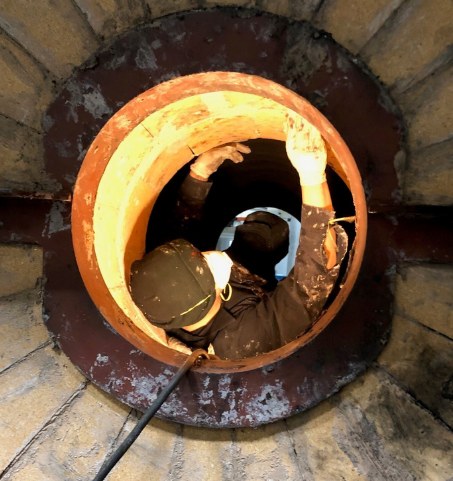
Commercial boiler cleaning generally includes fireside cleaning, waterside inspection and cleaning as needed, and safety and performance checks. Qualified technicians should perform the work using procedures appropriate for the equipment.
Fireside Cleaning
The fireside includes surfaces exposed to combustion gases, where soot, ash, and other combustion byproducts can accumulate.
Typical service activities include:
- Access and inspection: After the boiler is safely shut down and cooled, technicians open the appropriate access panels and inspect the burner, combustion chamber, and refractory lining for damage.
- Deposit removal: Technicians use motorized units, suitable brushes, scraping tools, and industrial vacuums to remove soot and debris from accessible heat-transfer surfaces and boiler tubes.
- Burner cleaning: Burner components are inspected and cleaned to support proper combustion.
- Exhaust and air-intake inspection: The venting system and combustion-air openings are checked for blockages, corrosion, and leaks.
Waterside Cleaning
The waterside includes surfaces in contact with boiler water. Mineral scale and sludge can accumulate over time, reducing heat transfer and affecting performance.
The cleaning approach depends on the boiler’s condition and the type of deposits present.
Service may include:
- Draining and inspection: Technicians safely drain the boiler and open appropriate inspection ports, handholes, or manholes to assess internal conditions.
- Deposit removal: Suitable mechanical cleaning or flushing methods are used to remove accessible scale and sludge.
- Chemical cleaning when necessary: Heavy deposits may require a specialized chemical-cleaning process. Qualified professionals should determine the appropriate treatment and its compatibility with the boiler’s materials.
- Component servicing: Applicable waterside components, such as low-water cutoffs and gauge glasses, are inspected and cleaned. Seals and gaskets are replaced as needed during reassembly using the right commercial boiler parts.
- Refilling and water-treatment review: The boiler is refilled, and water treatment is reviewed with the appropriate specialist to help control future scale and corrosion.
Safety and Performance Checks
After cleaning and reassembly, technicians perform applicable checks before returning the boiler to normal service. These may include:
- Safety controls: Testing low-water cutoffs, flame-safeguard systems, and pressure or temperature limits according to applicable procedures.
- Safety and relief valves: Inspecting and evaluating valves according to manufacturer guidance and applicable requirements.
- Combustion analysis: Using a flue gas analyzer to assess combustion performance, including carbon monoxide levels, and adjust the burner as needed. For a real-world example of burner and controls upgrades, see how MPN converted four Cleaver-Brooks boilers to low-emission operation.
- Leak checks: Checking applicable fuel-system components and serviced connections for leaks.
- Electrical inspections: Examining wiring, connections, and disconnects for signs of wear or damage.
- Operational testing: Observing boiler operation to verify proper startup, control response, and shutdown.
Post-Service Documentation
A service report should summarize the work performed, inspection findings, test results, and recommendations for repairs or future maintenance. Keeping these records supports maintenance planning and helps document service history for applicable warranty and regulatory requirements.
How Often Should a Commercial Boiler Be Cleaned?
Cleaning frequency depends on the boiler’s design, fuel type, operating hours, water quality, and condition. An annual inspection and maintenance visit is a common planning baseline, but cleaning should follow the manufacturer’s recommendations and the findings of a qualified service technician.
Boilers operating continuously or under demanding conditions may need more frequent attention. For seasonal heating systems, scheduling service before the heating season can help facilities teams address problems before demand increases. Our winter safety guide for commercial boilers covers the steps to take before cold weather arrives.
Schedule Commercial Boiler Cleaning with MPN
Miller Proctor Nickolas, Inc. brings more than 60 years of experience supporting commercial and industrial boiler systems in the New York City metro area. MPN helps facilities teams plan boiler cleaning and preventative maintenance around their equipment and operational needs.
For questions about your boiler’s maintenance requirements or to schedule a cleaning service, contact MPN.
Explore more Boiler Guides and Boiler Case Studies from the MPN team.
Request Your Commercial Boiler Cleaning
Tell us about your boiler and facility using the form below, and an MPN service specialist will follow up to schedule cleaning, inspection, and performance testing.